Flow With Purpose

Harmonic Co-creation • October 6, 2025

 Flow With Purpose:

The Power of Mindful Movement for Body & Soul

We all know movement is good for us — it keeps our bodies strong, our hearts healthy, and our energy flowing. But what happens when we shift from just moving to moving mindfully?


That’s where the magic happens.


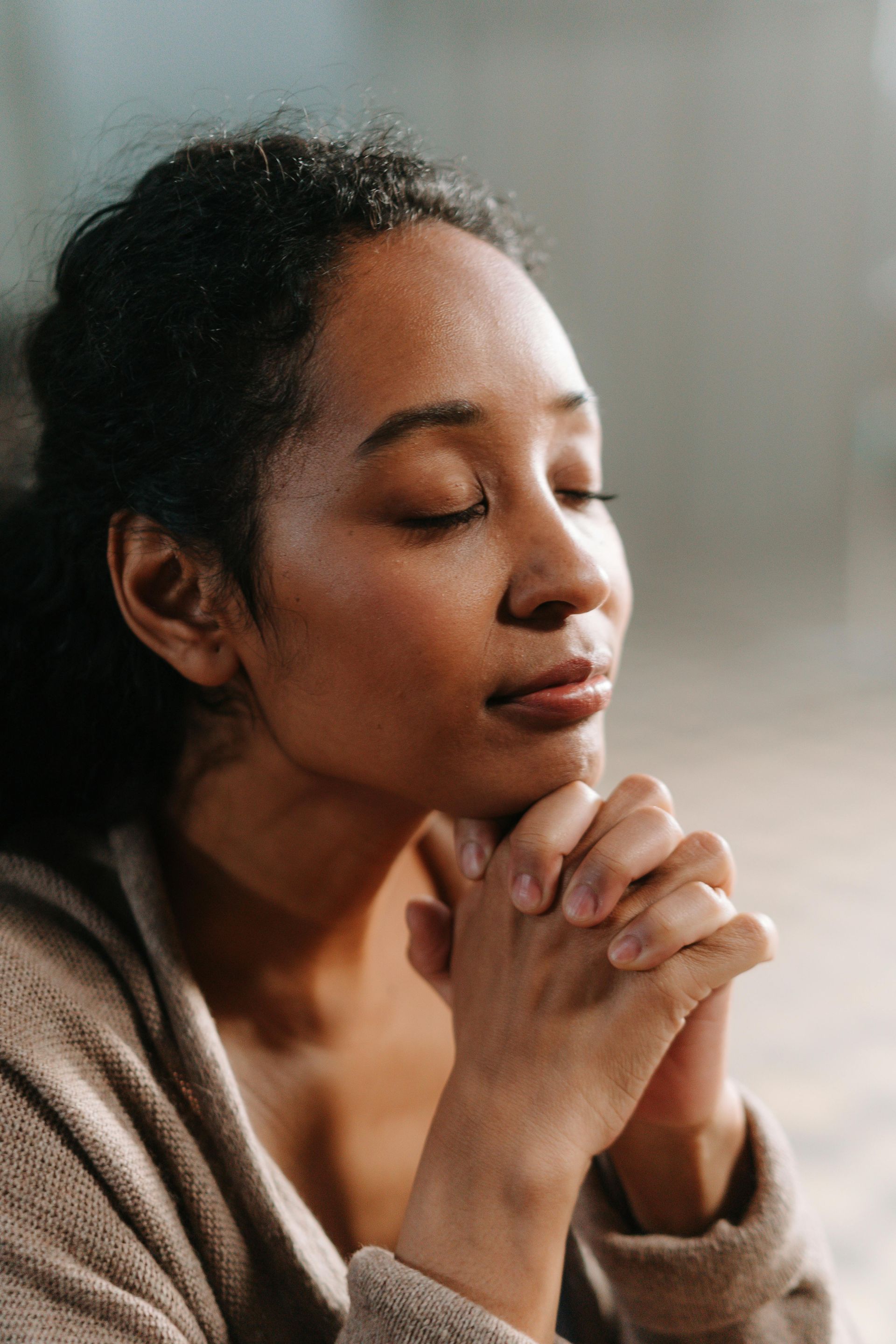
Mindful movement is about tuning in instead of zoning out. It’s not just about burning calories or chasing fitness goals — it’s about being present in your body, honoring its rhythms, and creating a deep connection between movement, breath, and awareness.


What Is Mindful Movement?

Mindful movement is any physical activity done with full attention and intention. You're not rushing through reps or lost in distraction — you're aware of how your body feels, how your breath flows, and how your energy shifts as you move.

It’s movement as meditation. Embodiment in action. A way to ground yourself and find your center in motion.


Benefits of Mindful Movement

The practice isn’t just gentle — it’s powerful. Here's what mindful movement brings to the table:


  • Reduces stress and anxiety
    Slow, intentional movement lowers cortisol levels and soothes the nervous system.
  • Increases body awareness
    You begin to notice where tension lives, how energy moves, and what your body truly needs.
  • Improves flexibility, balance, and strength
    When you're fully engaged, even subtle movements have a deeper impact.
  • Boosts emotional clarity and mood
    Moving with intention can help release emotional blockages and bring a sense of calm and joy.
  • Supports holistic healing
    It’s less about pushing and more about listening — making it ideal for trauma-informed and restorative wellness.


Examples of Mindful Movement Practices

You don’t need fancy equipment or intense routines — just your body, your breath, and a little space to move:


  • Yoga – Flowing through poses with breath and presence, listening to the body’s cues.
  • Tai Chi or Qigong – Gentle, flowing movements rooted in ancient wisdom and energy cultivation.
  • Walking meditation – A slow, intentional walk with full attention on each step, each breath, and the environment around you.
  • Stretching with breath – Simple stretches where the breath leads the movement and deepens the release.
  • Dance therapy – Moving freely to music as a form of emotional expression and energetic release.
  • Somatic movement – Slower, subtle body awareness exercises that help regulate the nervous system.


How to Start Moving Mindfully


1. Set an intention before you move.

How do you want to feel? What do you want to connect with?


2. Tune into your breath.

Let your breath be your guide — slow, steady, and full.


3. Notice without judgment.

Let go of “perfect form.” Pay attention to sensation, comfort, and energy flow.


4. Go slow.

You’re not in a race. Even five mindful minutes can shift your whole mood.


5. Close with stillness or reflection.

Take a few breaths in silence. What changed? What opened?


Move with Intention, Live with Connection

Mindful movement isn’t about doing more — it’s about feeling more. It’s a practice that brings you home to your body, your breath, and your being. Whether you’re flowing through yoga, stretching on your mat, or dancing around your living room, let it be sacred. Let it be yours.


Your body is wise. Your movement is medicine.

And your presence is the power.


Harmonic Co-creation

www.harmoniccocreation.com

By Anicia Gamble • November 11, 2026
Learning to Let Go of Old Patterns and Make Space for What Matters There comes a point in our lives when the routines, habits, and expectations we've become accustomed to no longer fit the people we're becoming. Sometimes we recognize it immediately. Other times, it shows up in unexpected ways: procrastination, resistance, a lack of motivation, or simply feeling disconnected from things we once enjoyed. I've been reflecting on this quite a bit lately. As I transitioned into a new season of life, I found myself questioning how I wanted to spend my time, what I wanted to create, and how I wanted to show up in the world. I realized that having more freedom doesn't necessarily mean knowing what to do with it. For years, my days were structured around responsibilities, schedules, deadlines, and expectations. Even when I stepped away from traditional employment, I found myself carrying some of those same patterns into my personal life and business. I had created more room in my schedule without necessarily creating room for a different way of living. And there's a difference. Recognizing What No Longer Fits We often become so accustomed to our routines that we stop questioning whether they still serve us. We continue doing things because they're familiar, because we've always done them that way, or because we've attached a sense of productivity and worth to them. But what happens when those routines begin to feel restrictive rather than supportive? Perhaps the resistance we experience isn't always something to overcome. Maybe it's an invitation to pause and explore what is happening beneath the surface. Instead of immediately labeling ourselves as unmotivated or undisciplined, we can become curious. - What am I resisting? - What expectations am I carrying? - What would I do differently if I gave myself permission to create a new rhythm? These questions allow us to approach ourselves with a little more compassion and a lot more awareness. Making Room for What Brings Us to Life One of the things I've noticed during this transition is how much I enjoy being out in the community, connecting with people, creating things with my hands, and exploring new ideas. There's something beautiful about discovering parts of ourselves that may have been sitting quietly in the background while other responsibilities took center stage. Sometimes making room for something new means making room for something old that we genuinely loved. Creativity, connection, exploration, and play are not necessarily luxuries we earn after everything else is accomplished. They are meaningful parts of a fulfilling life. We don't always need another productivity system or a more efficient routine. Sometimes we need to reconnect with the things that make us feel alive. Creating a Rhythm That Supports You A new rhythm doesn't have to be complicated. It may begin with making time for a morning walk, returning to a creative hobby, spending more time with people who inspire you, or allowing yourself to work in ways that feel more natural. The important part is becoming intentional about how we spend our energy and recognizing that our needs can change as we move through different seasons of life. Growth doesn't always look like adding more to our plates. Sometimes it looks like removing what no longer belongs there. An Invitation to Notice Take a moment to reflect on the rhythm of your own life. What parts of your routine feel supportive? What feels more like an obligation than a meaningful choice? Is there something you've set aside that you'd love to revisit? What would creating more room for joy, connection, and creativity look like? You don't have to answer everything today. Simply noticing is a wonderful place to begin. As we become more aware of the ways we move through life, we create opportunities to make adjustments that better reflect who we are and who we want to become. Give yourself permission to explore a different rhythm. You might discover that the life you're looking for doesn't require you to do more. It may simply require you to make room for more of what matters. With love and harmony, Anicia Gamble Harmonic Cocreation
By Harmonic Co-creation • April 1, 2026
Clear Mind, Full Heart: Why Emotional Wellness is the Real Superpower
By Anicia Gamble • February 16, 2026
Body Positivity: Loving Yourself in Every Season